Top 5 tourist places to visit in sikkim💛

Gangtok

Gangtok is the capital city of Sikkim and the beauty of this city justify it being one of the prominent cities in the state. Incredibly beautiful, exuberant, and garlanded with clouds all over. Sikkim is blessed with the kind of cultural and historical significance Gangtok adds to the pride of this state. To catch majestic glimpses of mighty Mt. Kanchenjunga, you must land to Gangtok whilst exploring Sikkim. If you are coming to Gangtok in the months of March to Mid-May then you’ll be received with the fragrance of Rhododendrons spread throughout the city. Gangtok is considered as one of the beautiful hill stations in India. This city is a perfect amalgamation of cultural, scenic beauty and modernization. If you want to visit some religious sites, you must visit Enchey Monastery, Ganesh Tok, Do Drul Chorten Rumtek Monastery, etc. If looking for a place to catch an aerial view of the city, visit Ganeshtok and Tashi viewpoint, etc.

Tsomgo Lake

Tsomgo Lake is nestled around 40 km away from the main city of Gangtok. This immensely beautiful glacier lake is one of the top tourist destinations of Sikkim. Tsogmo literally means ‘Source of Water’. This mesmerizing lake is one of India’s highest altitude lakes which make Sikkim even more beautiful. Tsomgo Lake reflects the gigantic views of snow-clad mountains around it, making your journey to Sikkim even more memorable. The flora and fauna family found at this location include Primulas, yellow and blue poppies, Irish, Yaks and Ponies, and migratory ducks – Brahmini. It is advised to plan your trip to Tsogmo Lake in early hours as it gets dark and roads are not laid out properly. The best time to see snow is Jan to Mar and for Rhododendrons and Orchids is April to May. It is just 2 hours away from the Gangtok so that you can enjoy an exciting experience around the lake.

Women empowerment

Blog.

Harshita razdan

The question isn’t who is going to let me; it’s who is going to stop me. .

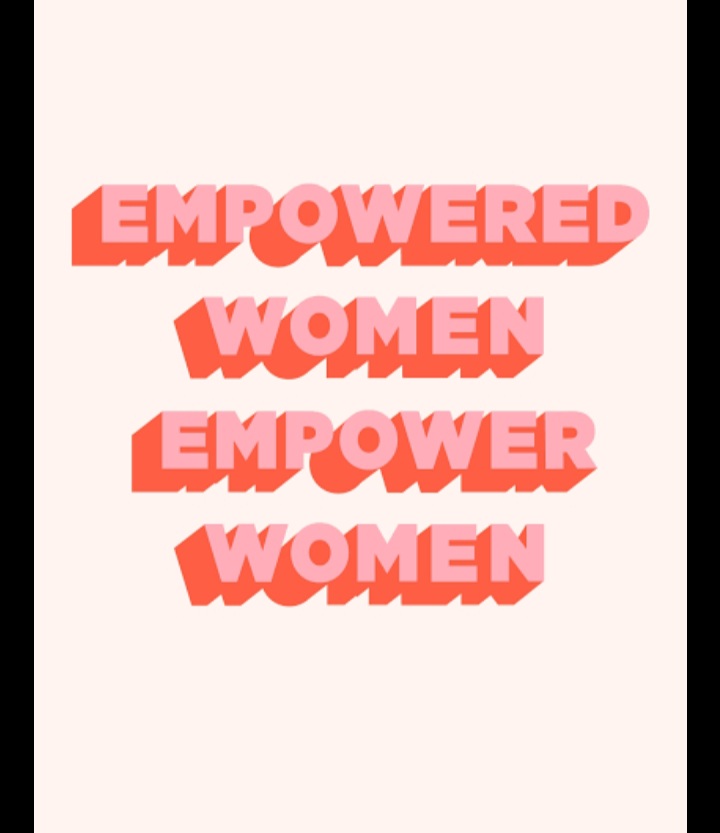
Women empowerment is a widely discussed term in today’s society and talks about the upliftment of the female gender. First, it is a long term and revolutionary protest against discrimination based on sex and gender. Women empowerment refers to educating women and helping them build an identity of their own.
In our patriarchal society, women are expected to mould themselves according to the wishes of the man who “feed them.” They are not allowed to have an individual opinion or an independent identity. Empowering women involves encouraging them to be financially, culturally, and socially independent. A woman must be entitled to pursue what she loves and develop into a fully functioning human. Her individuality must be nurtured and acknowledged. Women empowerment has lead millions of women across the globe to pursue their dreams. They are steadily moving forward in life with strong determination, respect, and faith.

However, we must realize that despite the efforts being made to uplift women, most of them still suffer under patriarchy and suppression. Domestic violence is extremely common in countries like India. The society has always tried to curb the freedom of a woman because it is afraid of a woman who is strong and independent. We must recognize the ingrained misogyny in our society and work towards removing it. for example, we must teach both girls and boys to respect each other. Women fall victim to atrocities because men feel that they have the birthright to assert their power and authority over women. This can only be resolved by teaching boys from the very beginning that they are in no way superior to girls, and they have no right to touch a woman without her consent. The future is not a female. The future is equal and beautiful.

Women’s empowerment begins with the act of considering women equal to men. The whole of feminist ideology revolves around the concept of establishing equality of all sexes. Discrimination against women has been so imminent in our society that we often fail to notice the subtle and latent forms of sexism.
Women’s empowerment can only be brought about when women are made aware of their rights. Most girls grow up to believe that they are inferior to boys and, thus, surrender before the regressive and patriarchal structure of the society. Young girls must be taught that they are no less than boys and can achieve anything if they are determined to do so.
Women’s empowerment is very important for Indian society. There is enormous demand for women’s empowerment in society because they deserve to live their lives freely, have equal rights as men to participate in, have a sense of pride, self-worth, and so on. We are providing below some practical, useful, and catchy slogans on women empowerment. You can use the following slogans on women empowerment on any occasion to celebrate women.
Empowering women refers to the process of providing control to women over their choices. It also provides access to the opportunities, perks, and resources that allow them to shine and thrive. Indeed, a lot of progress happened, yet, gender disparity remains a common issue globally. Empowering women politically, socially, financially, academically, and psychologically will bring about a positive change
Both the government and society must come together to make women empowerment happen. First of all, girls’ education must be compulsory to become literate to become financially independent. In every field, they should have equal opportunities despite gender parity.

Introduce Yourself (Example Post)

This is an example post, originally published as part of Blogging University. Enroll in one of our ten programs, and start your blog right.

You’re going to publish a post today. Don’t worry about how your blog looks. Don’t worry if you haven’t given it a name yet, or you’re feeling overwhelmed. Just click the “New Post” button, and tell us why you’re here.

Why do this?

  • Because it gives new readers context. What are you about? Why should they read your blog?
  • Because it will help you focus your own ideas about your blog and what you’d like to do with it.

The post can be short or long, a personal intro to your life or a bloggy mission statement, a manifesto for the future or a simple outline of your the types of things you hope to publish.

To help you get started, here are a few questions:

  • Why are you blogging publicly, rather than keeping a personal journal?
  • What topics do you think you’ll write about?
  • Who would you love to connect with via your blog?
  • If you blog successfully throughout the next year, what would you hope to have accomplished?

You’re not locked into any of this; one of the wonderful things about blogs is how they constantly evolve as we learn, grow, and interact with one another — but it’s good to know where and why you started, and articulating your goals may just give you a few other post ideas.

Can’t think how to get started? Just write the first thing that pops into your head. Anne Lamott, author of a book on writing we love, says that you need to give yourself permission to write a “crappy first draft”. Anne makes a great point — just start writing, and worry about editing it later.

When you’re ready to publish, give your post three to five tags that describe your blog’s focus — writing, photography, fiction, parenting, food, cars, movies, sports, whatever. These tags will help others who care about your topics find you in the Reader. Make sure one of the tags is “zerotohero,” so other new bloggers can find you, too.

Introduce Yourself (Example Post)

This is an example post, originally published as part of Blogging University. Enroll in one of our ten programs, and start your blog right.

You’re going to publish a post today. Don’t worry about how your blog looks. Don’t worry if you haven’t given it a name yet, or you’re feeling overwhelmed. Just click the “New Post” button, and tell us why you’re here.

Why do this?

  • Because it gives new readers context. What are you about? Why should they read your blog?
  • Because it will help you focus your own ideas about your blog and what you’d like to do with it.

The post can be short or long, a personal intro to your life or a bloggy mission statement, a manifesto for the future or a simple outline of your the types of things you hope to publish.

To help you get started, here are a few questions:

  • Why are you blogging publicly, rather than keeping a personal journal?
  • What topics do you think you’ll write about?
  • Who would you love to connect with via your blog?
  • If you blog successfully throughout the next year, what would you hope to have accomplished?

You’re not locked into any of this; one of the wonderful things about blogs is how they constantly evolve as we learn, grow, and interact with one another — but it’s good to know where and why you started, and articulating your goals may just give you a few other post ideas.

Can’t think how to get started? Just write the first thing that pops into your head. Anne Lamott, author of a book on writing we love, says that you need to give yourself permission to write a “crappy first draft”. Anne makes a great point — just start writing, and worry about editing it later.

When you’re ready to publish, give your post three to five tags that describe your blog’s focus — writing, photography, fiction, parenting, food, cars, movies, sports, whatever. These tags will help others who care about your topics find you in the Reader. Make sure one of the tags is “zerotohero,” so other new bloggers can find you, too.

Introduce Yourself (Example Post)

This is an example post, originally published as part of Blogging University. Enroll in one of our ten programs, and start your blog right.

You’re going to publish a post today. Don’t worry about how your blog looks. Don’t worry if you haven’t given it a name yet, or you’re feeling overwhelmed. Just click the “New Post” button, and tell us why you’re here.

Why do this?

  • Because it gives new readers context. What are you about? Why should they read your blog?
  • Because it will help you focus your own ideas about your blog and what you’d like to do with it.

The post can be short or long, a personal intro to your life or a bloggy mission statement, a manifesto for the future or a simple outline of your the types of things you hope to publish.

To help you get started, here are a few questions:

  • Why are you blogging publicly, rather than keeping a personal journal?
  • What topics do you think you’ll write about?
  • Who would you love to connect with via your blog?
  • If you blog successfully throughout the next year, what would you hope to have accomplished?

You’re not locked into any of this; one of the wonderful things about blogs is how they constantly evolve as we learn, grow, and interact with one another — but it’s good to know where and why you started, and articulating your goals may just give you a few other post ideas.

Can’t think how to get started? Just write the first thing that pops into your head. Anne Lamott, author of a book on writing we love, says that you need to give yourself permission to write a “crappy first draft”. Anne makes a great point — just start writing, and worry about editing it later.

When you’re ready to publish, give your post three to five tags that describe your blog’s focus — writing, photography, fiction, parenting, food, cars, movies, sports, whatever. These tags will help others who care about your topics find you in the Reader. Make sure one of the tags is “zerotohero,” so other new bloggers can find you, too.

Design a site like this with WordPress.com
Get started